We may earn a commission if you buy through links on this page. It never changes a score or a ranking. How we make money
The best LLM API depends on the stack you need to support: one hosted model, several providers behind one endpoint, or a deployment you can run privately. DeepSeek is our best overall fit for teams seeking OpenAI-compatible SDKs, while Mistral stands out for open-weight models and self-hosting. Cohere, AI21 Labs and others offer private deployment options. Starting prices alone do not predict production cost: check token rates, quotas, concurrency, data handling and export terms for your specific workload before you commit.
Quick picksThe shortlist
 DeepSeek APIDeepSeek APIBest overall · Custom
 Mistral AIMistral AIBest open source · $5.99/mo
 CohereCohereBest for private deployment · Free
 Gemini APIGemini APIBest for multimodal apps · Free
 AnthropicAnthropicBest for Claude · $17/mo
 Gemini Live APIGemini Live APIBest for live voice · Free
 xAI APIxAI APIBest for Grok apps · $8/mo
 AI21 LabsAI21 LabsBest for custom deployment · Custom
 Ask SageAsk SageBest for government teams · $30/mo
 Upstage AIUpstage AIBest for document workflows · $100/mo
 OpenAIOpenAIBest for ChatGPT teams · $8/mo
 NanoGPTNanoGPTBest for model comparison · $12/mo
 MiniMaxMiniMaxBest for speech workloads · $4/mo
 ZenMuxZenMuxBest for provider failover · Custom
 Azure OpenAI ServiceAzure OpenAI ServiceBest for Azure stacks · Custom
 Amazon BedrockAmazon BedrockBest for AWS stacks · Custom
01Compared at a glance
| Tool | Score | From | Free plan | Trial |
|---|---|---|---|---|
| DeepSeek APIDeepSeek API | 7.8 | Custom | No | — |
| Mistral AIMistral AI | 7.2 | $5.99/mo | Yes | — |
| CohereCohere | 7.2 | Free | Yes | — |
| Gemini APIGemini API | 7.2 | Free | Yes | — |
| AnthropicAnthropic | 7.3 | $17/mo | Yes | — |
| Gemini Live APIGemini Live API | 7.2 | Free | Yes | — |
| xAI APIxAI API | 7.0 | $8/mo | Yes | — |
| AI21 LabsAI21 Labs | 6.8 | Custom | No | 7 days |
| Ask SageAsk Sage | 6.8 | $30/mo | No | 30 days |
| Upstage AIUpstage AI | 6.8 | $100/mo | No | — |
| OpenAIOpenAI | 6.5 | $8/mo | Yes | — |
| NanoGPTNanoGPT | 6.5 | $12/mo | Yes | — |
| MiniMaxMiniMax | 6.1 | $4/mo | No | — |
| ZenMuxZenMux | 6.2 | Custom | No | — |
| Azure OpenAI ServiceAzure OpenAI Service | 6.5 | Custom | No | 30 days |
| Amazon BedrockAmazon Bedrock | 5.6 | Custom | No | — |
02The picks, in detail
- Best overallDeepSeek APIDeepSeek API
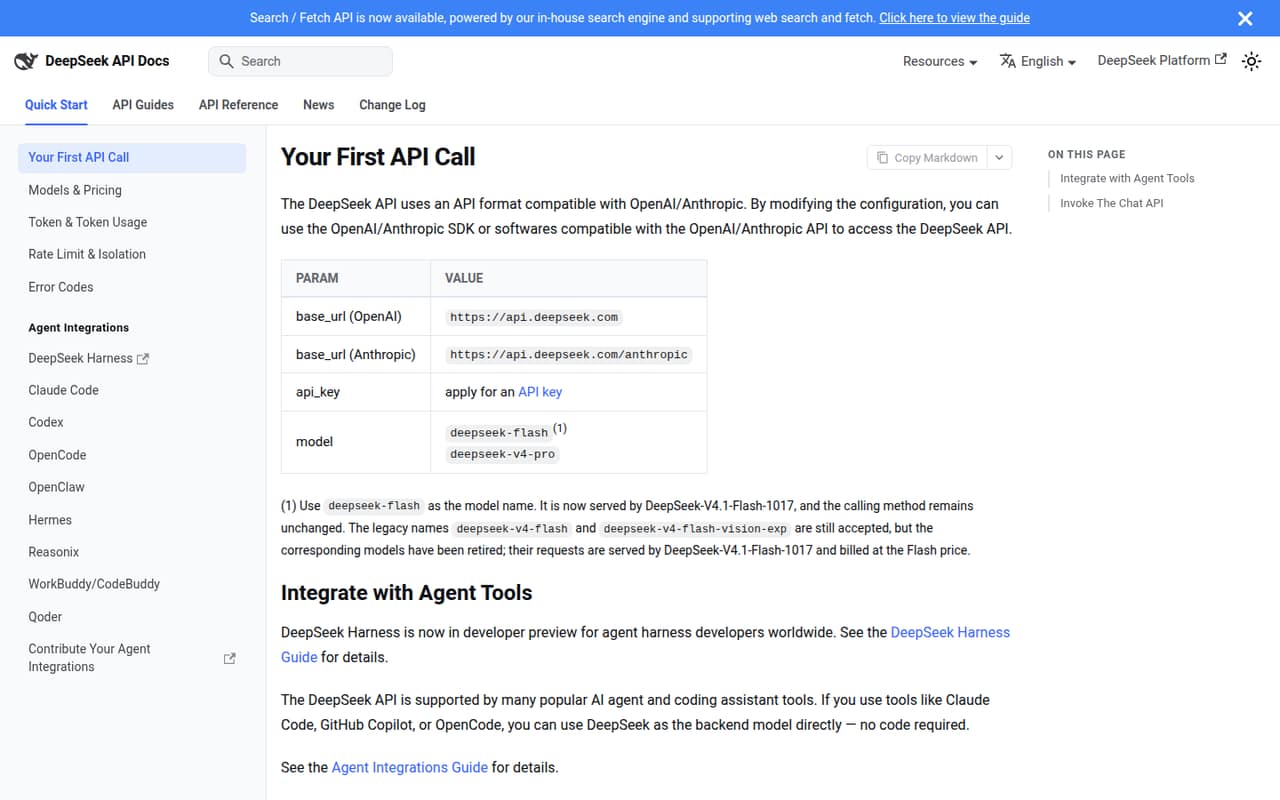
DeepSeek API is our top fit for teams that want to use OpenAI-compatible SDKs and handle variable token workloads. The product also offers Search and Fetch APIs for agents. Its main production checks are model-specific concurrency limits and variable token costs; confirm both against your expected request volume before routing a critical application through it.
What works
- Supports OpenAI- and Anthropic-compatible API formats
- Python and Node.js examples use the OpenAI SDK
- Flash offers thinking and non-thinking modes
What doesn't
- No free plan is listed
- Token rates change by cache status and peak period
- Flash and Pro have different concurrency limits
- Best open sourceMistral AIMistral AI
Mistral AI pairs API access with open-weight models and self-hosting options, giving teams more deployment choice than a hosted-only service. It suits organizations that may need private deployment or want to customize models with their data. Check the API details and total production costs for the deployment you plan to use.
What works
- Offers open-weight frontier and specialist models
- Forge customizes models around organizational data and use cases
- Studio supports building, governing and improving agents
What doesn't
- SDKs, programming languages and API protocol need confirmation
- Model licenses need review before redistribution or self-hosting
- API usage rates and rate limits need confirmation
- Best for private deploymentCohereCohere
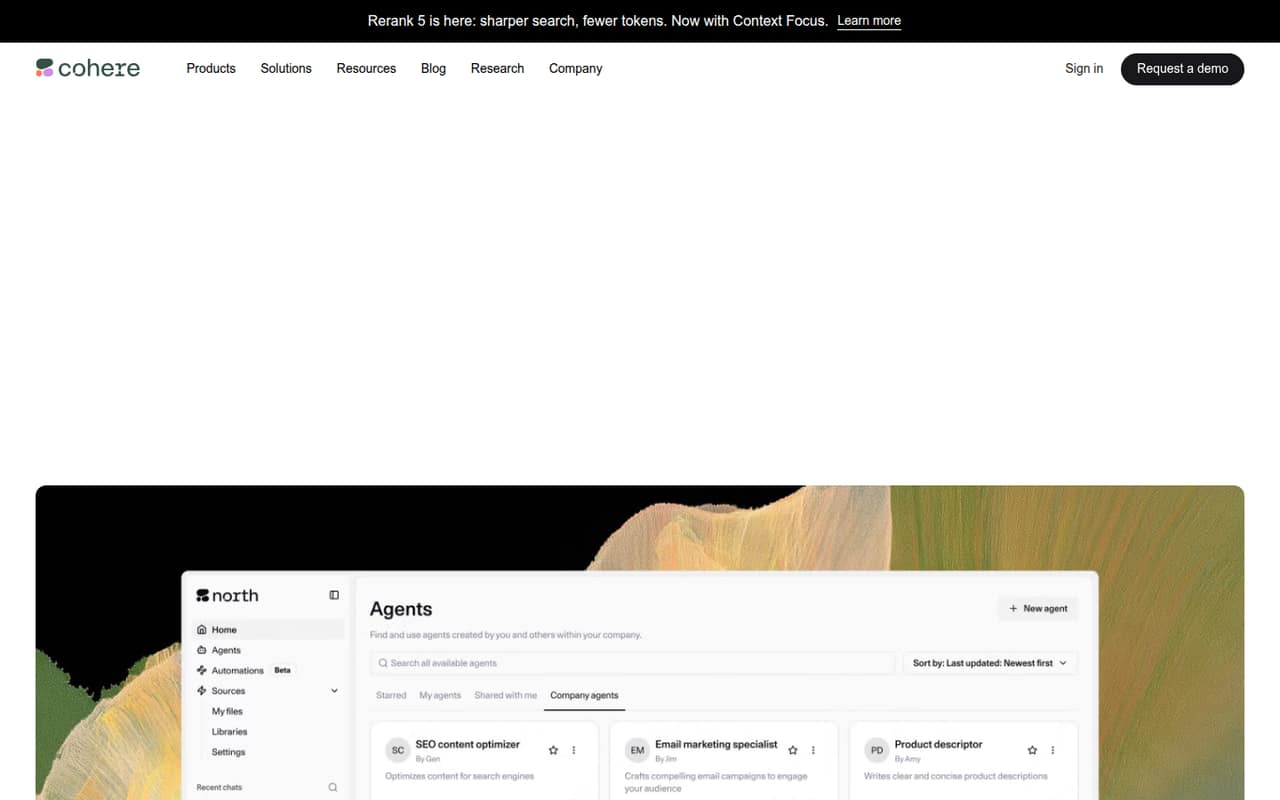
Cohere is a fit for enterprise teams building search, retrieval or business-focused agents, particularly when private deployment matters. It is listed as self-hostable, which gives teams a deployment route beyond a standard hosted API. Ask for a workload-specific estimate and confirm which deployment terms apply to your intended architecture.
What works
- On-premises and isolated VPC deployment options
- Models cover generation, search, speech and documents
- Free API calls for rate-limited prototyping
What doesn't
- Trial API keys are barred from production and commercial use
- Production model-specific API prices are not published
- Trial rate limits are not quantified
- Best for multimodal appsGemini APIGemini API
Gemini API suits developers building multimodal applications, using Google AI Studio or adding function calling. The service is listed with a free plan, but teams should validate usage controls and protect credentials before production. Check which limits apply to the models and usage pattern your application will rely on.
What works
- Processes text, images, audio, video and documents
- Select models support up to two million tokens
- Official SDKs cover four named languages
What doesn't
- Gemini models are proprietary and hosted
- Token prices vary by model and are not listed here
- Exact rate limits are not published here
- Best for ClaudeAnthropicAnthropic
Anthropic provides hosted Claude models and is a candidate for teams building summarization or subagent workloads, as well as Claude Code users who need paid access. Its listed starting price is $17, with a free plan. Verify integration details and usage limits against the specific model and workload before choosing it.
What works
- Haiku targets high-volume summarization and subagent work
- Sonnet 5.5 claims 30%+ faster performance
- API pricing is published per million tokens
What doesn't
- SDK and language support needs confirmation in the docs
- API rate limits are not published here
- No self-hosting option or model licence is published
- Best for live voiceGemini Live APIGemini Live API
Gemini Live API is aimed at real-time voice and vision agents, including applications that need interruption handling or multilingual speech. A free plan is listed. Before building around a live interaction path, validate pricing, limits and the behavior your application needs; pricing visibility and limits are called out for careful review.
What works
- Streams audio, images, video frames and text
- Supports barge-in and voice activity detection
- Offers asynchronous and parallel function calling
What doesn't
- Core service and models are proprietary
- Free-tier quotas and exact rate limits are unpublished
- No context caching on listed tiers
- Best for Grok appsxAI APIxAI API
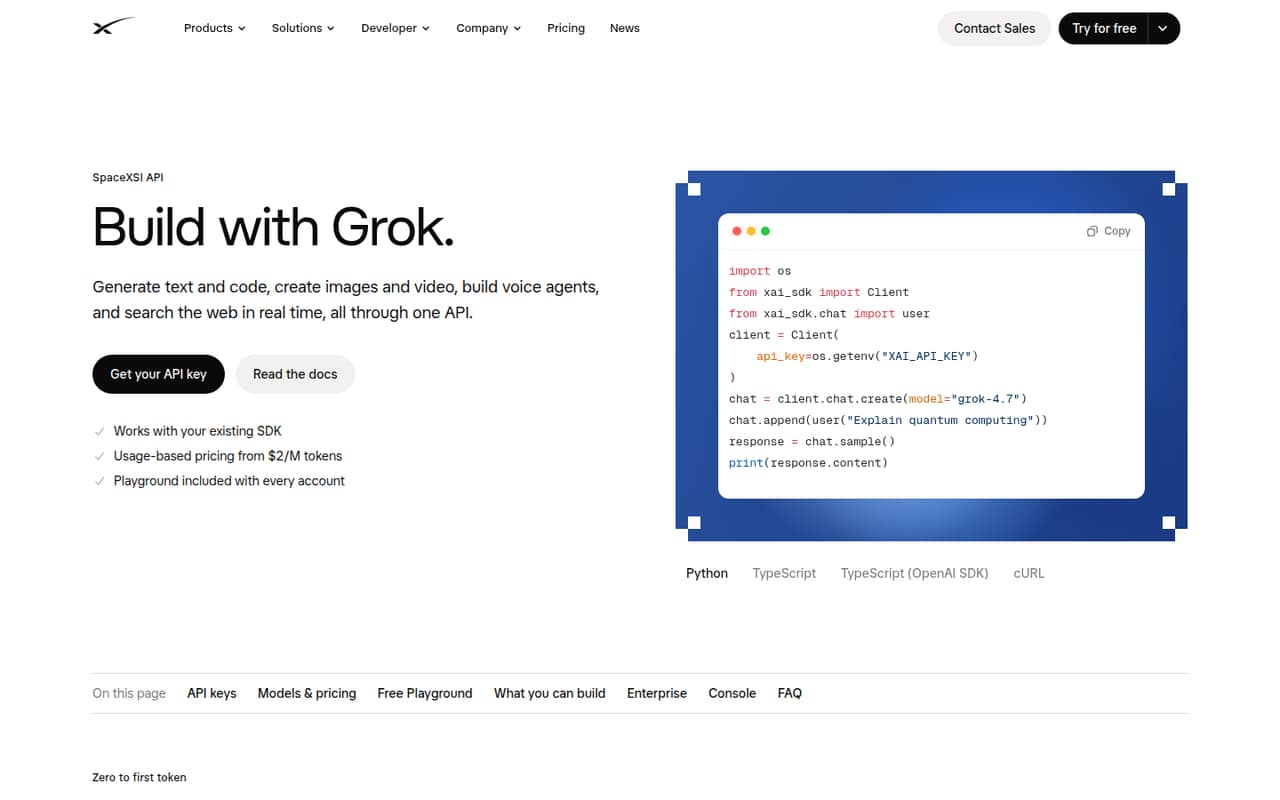
xAI API offers hosted Grok models alongside text and media APIs, and supports familiar OpenAI SDK patterns. Its listed starting price is $8, with a free plan, and usage is metered. Confirm the applicable model rates and any request limits for your use case before estimating ongoing spend.
What works
- Text, code, image, video, voice, and search through one API
- Python, TypeScript, OpenAI SDK, and cURL examples
- Console Playground included with every account
What doesn't
- API usage is billed separately from subscription plans
- Public rate-limit numbers are not listed
- The vendor does not publish self-hosting or licence details
- Best for custom deploymentAI21 LabsAI21 Labs
AI21 Labs is worth considering when teams have proprietary task data or want to tune agent quality and cost. The platform offers API access and is listed as self-hostable, including VPC or on-prem deployment options. Its main service is quote-based, so request pricing for your model, deployment and expected workload.
What works
- Trains models and agent harnesses together
- Builds evaluations from real tasks
- Evaluation suite stays with the customer
What doesn't
- Custom training price is not published
- Homepage does not name SDK languages
- API rate limits are not published
- Best for government teamsAsk SageAsk Sage
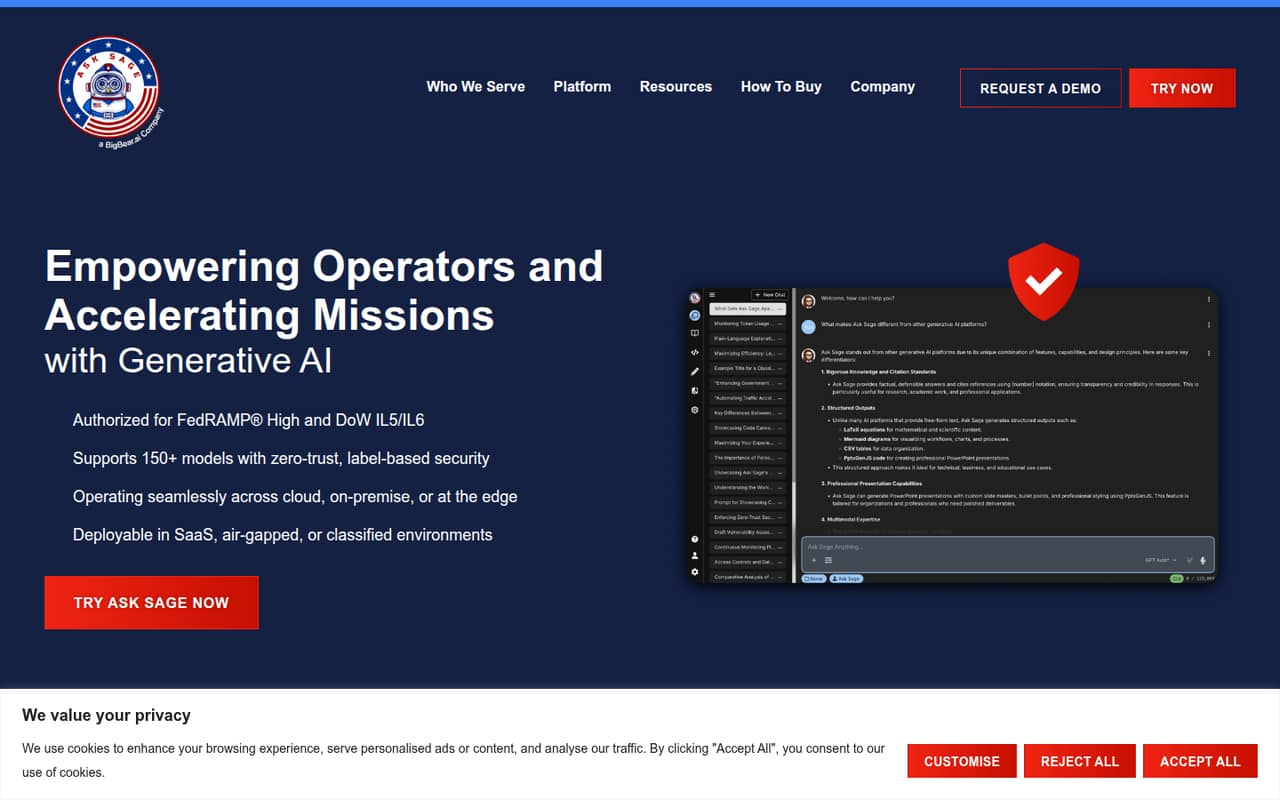
Ask Sage targets government and defense teams that need multiple model providers or strict deployment controls. It is listed as self-hostable, with a starting price of $30. Before integration, confirm the API surface, deployment terms and token pricing that apply to your workload; the starting price alone is not a usage estimate.
What works
- Access to 150+ models, including Azure OpenAI and Anthropic
- Supports text, image, video and audio tasks
- Deployment options include on-premise and air-gapped environments
What doesn't
- No free plan; listed trial lasts 30 days
- Individual plans have fixed monthly token limits
- No token top-ups for individual plans
- Best for document workflowsUpstage AIUpstage AI
Upstage AI focuses on document-heavy enterprise workflows, including invoice, claim and contract extraction. It offers on-prem model deployment and is listed as self-hostable, with prepaid pricing and a $100 starting price. Check the deployment options and production costs for your document volume before rolling it out.
What works
- API, cloud marketplace and on-prem deployment options
- Document Parse handles PDFs, scans and emails
- Information Extract targets structured key-value extraction
What doesn't
- No free API plan or free trial is listed
- SDKs and programming languages are not named on the homepage
- Credit overage rates are not published
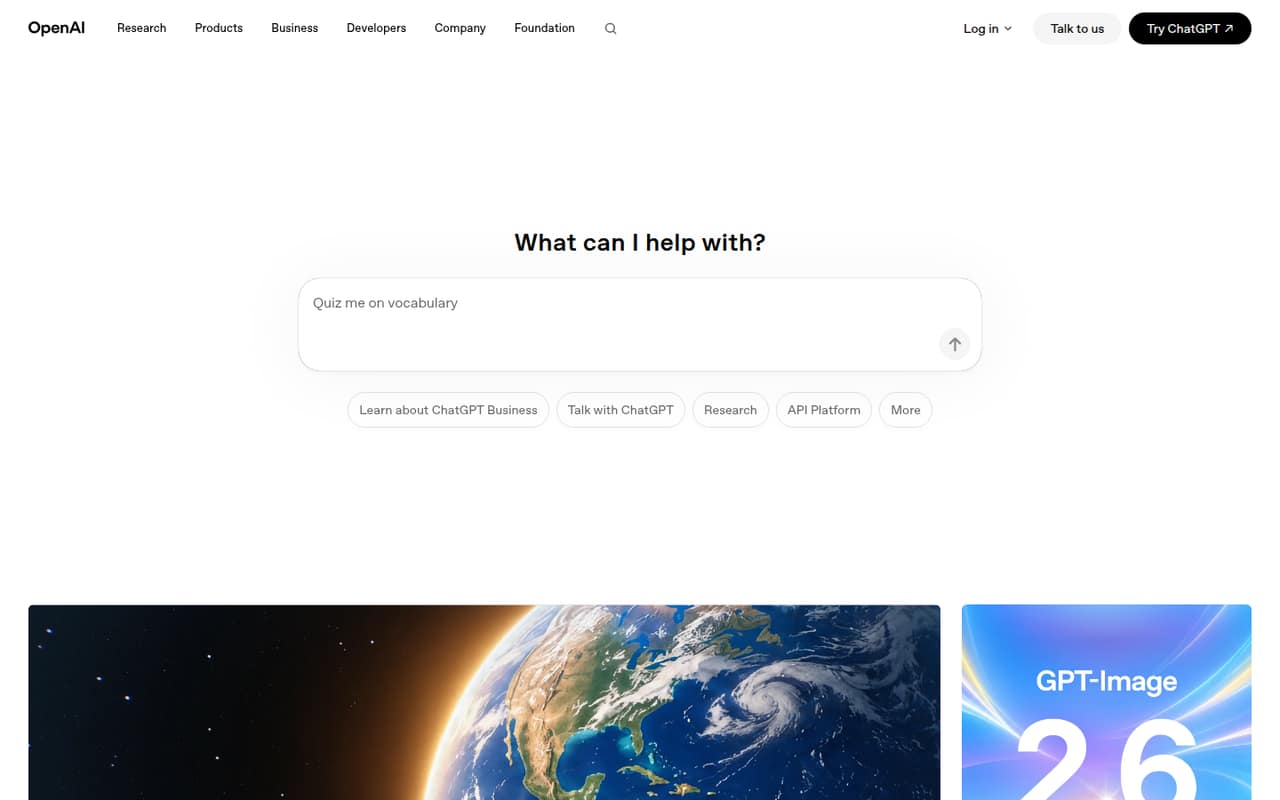
- Best for ChatGPT teamsOpenAIOpenAI
OpenAI offers both ChatGPT and an API Platform, making it a candidate for teams already using ChatGPT or evaluating hosted AI. Its listed starting price is $8, with a free plan. Verify API-specific costs and limits during design: ChatGPT access should not be treated as a substitute for an API usage estimate.
What works
- Offers ChatGPT, business plans and an API Platform
- Free ChatGPT plan for individual users
- Research coverage includes safety and security
What doesn't
- API rates and limits need verification
- Homepage names no SDKs or languages
- No self-hosting option is identified
- Best for model comparisonNanoGPTNanoGPT
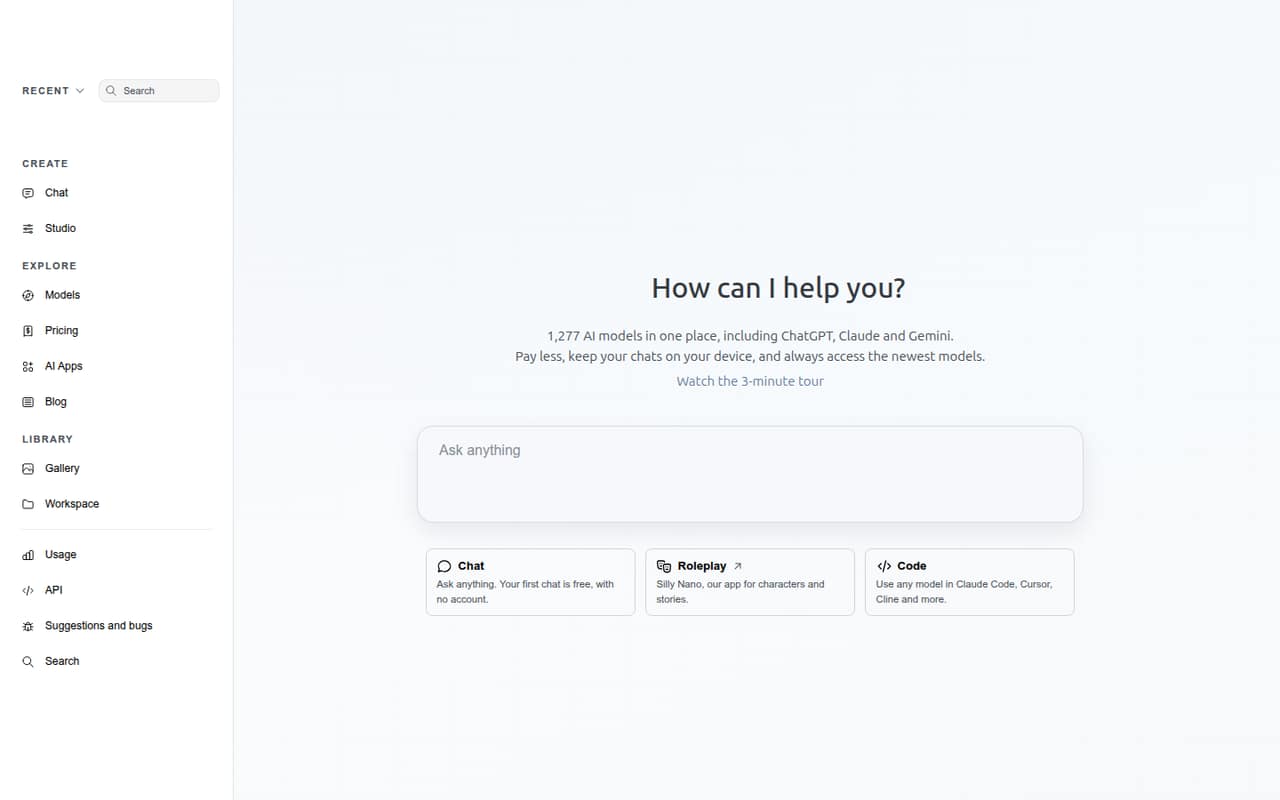
NanoGPT is a multi-model gateway for teams prototyping across providers with compatible API clients. It supports chat and media generation and has a listed starting price of $12, with a free plan. Provider routing and reliability need production checks; confirm how routing works and what happens when a provider is unavailable.
What works
- Catalog lists 1,277 models, including ChatGPT, Claude and Gemini
- OpenAI-compatible API offers a familiar integration surface
- First web chat is free and requires no account
What doesn't
- Provider routing can cause slow or inconsistent responses
- Vendor describes rate limits as generous but gives no numeric caps
- SDKs and supported programming languages are not named
- Best for speech workloadsMiniMaxMiniMax
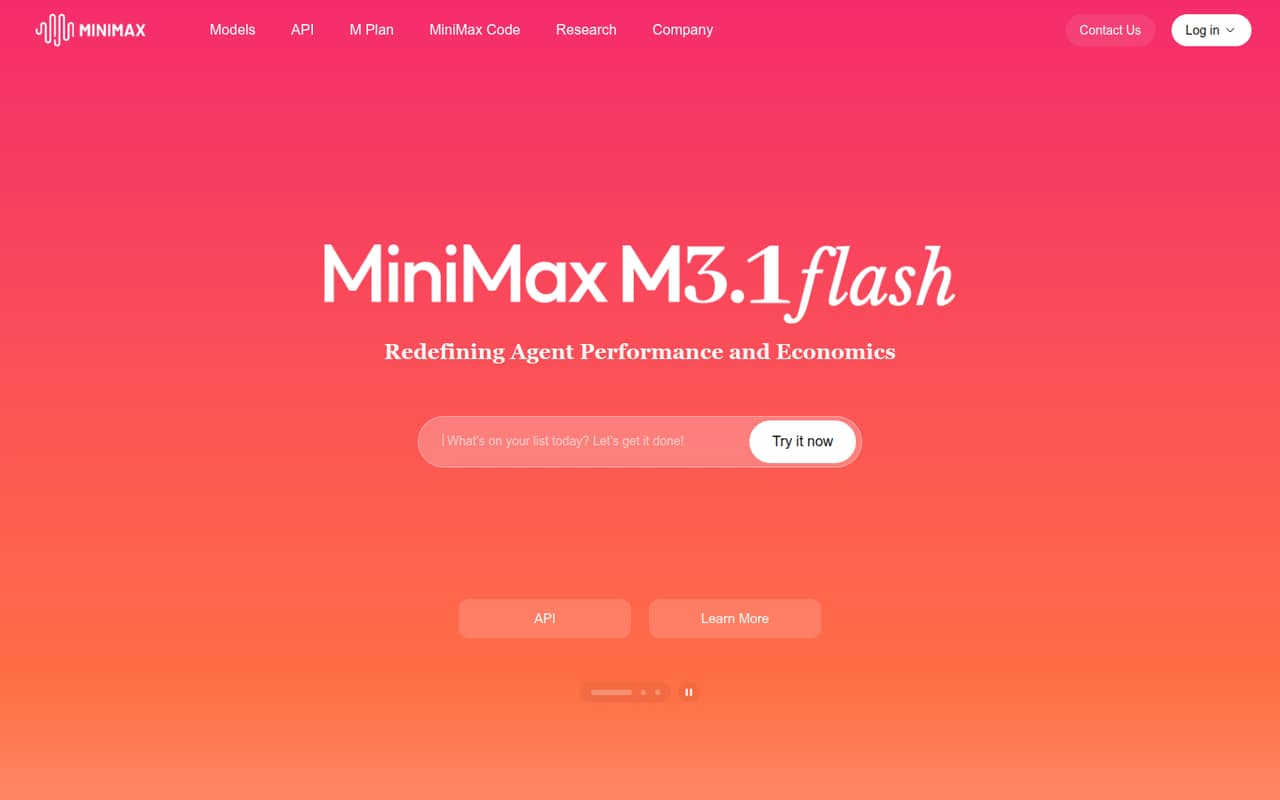
MiniMax is a varied hosted model platform suited to speech API workloads and multimodal evaluation, with MiniMax Code also relevant to its users. Its listed starting price is $4. Before adopting it, check API terms, model licensing and usage limits for the specific service you plan to integrate.
What works
- Text and multimodal model lineup
- Audio plans include monthly points and RPM limits
- Video Generation API packages are available
What doesn't
- No free API plan is listed
- LLM API rates are not published
- Homepage does not name SDKs or languages
- Best for provider failoverZenMuxZenMux
ZenMux provides one API for multiple model providers, with provider failover and token and request cost monitoring among its stated use cases. It may simplify an integration that spans vendors, but confirm routing behavior, pricing and production reliability before making it a critical dependency. Its entry price is not published.
What works
- One account and API for multiple model providers
- Supports OpenAI, Anthropic and Google Vertex AI protocols
- GUI covers chat, image and video generation
What doesn't
- Per-call prices and a starting price aren't published
- No general free plan is listed
- No SDK languages are named on the homepage

- Best for Azure stacksAzure OpenAI ServiceAzure OpenAI Service
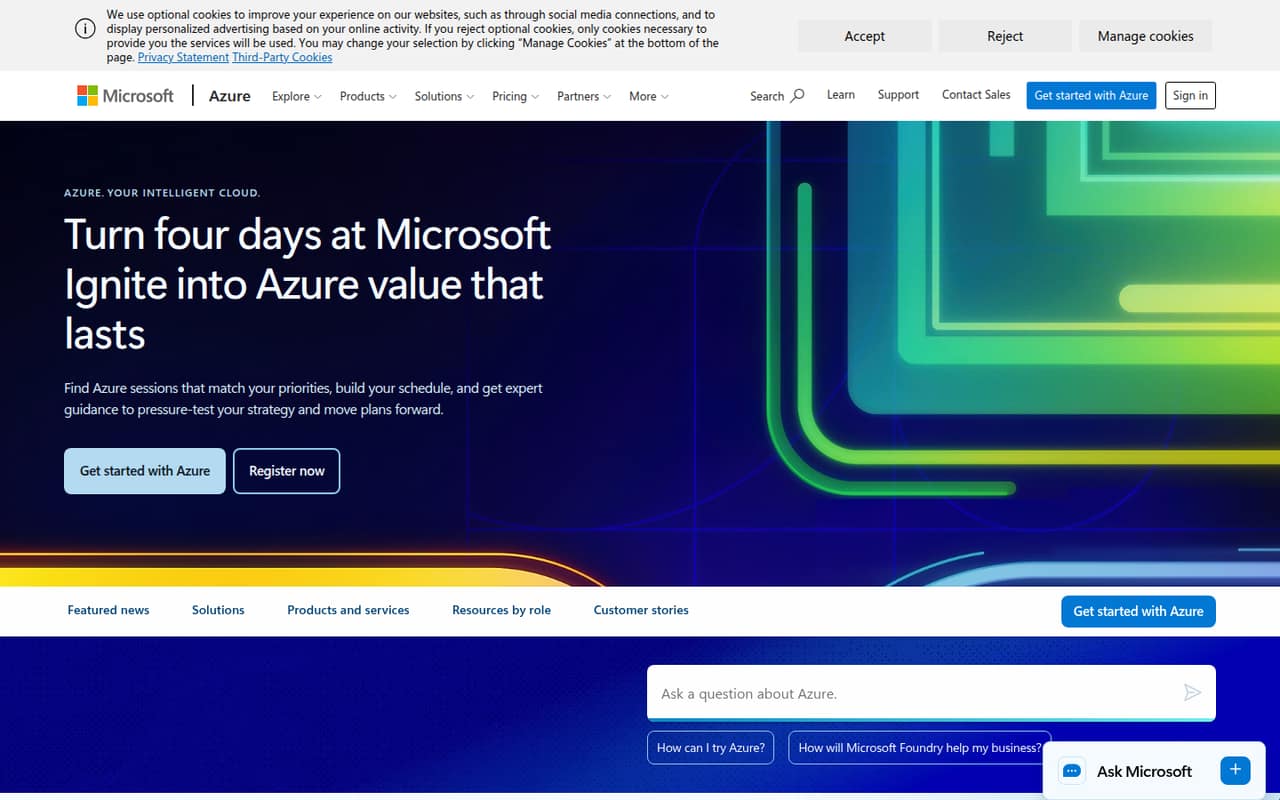
Azure OpenAI Service is a hosted route to generative AI for teams already building on Azure. It also targets non-urgent batch workloads. The entry price is not published; budget for token usage and check quotas before launch. Confirm the quota and deployment details that apply to your Azure setup.
What works
- Listed within Foundry Models for model discovery
- Foundry covers model exploration through deployment
- Microsoft Foundry supports building and evaluating generative AI
What doesn't
- No Azure OpenAI-specific model details on the homepage
- Standard requests can be throttled when quotas are exceeded
- Provisioned throughput prices are not published
- Best for AWS stacksAmazon BedrockAmazon Bedrock
Amazon Bedrock puts model inference and agent building in AWS, making it a candidate for teams already running workloads there. Its stated use cases include variable inference and non-urgent batch workloads. Pricing is usage-based, and an entry price is not published. Verify production details and estimate costs for your expected traffic.
What works
- AWS describes it as supporting inference and agent building at scale
- On-demand pricing can follow usage
- Batch inference lists a 50% discount versus on-demand
What doesn't
- No Bedrock free plan is listed
- Homepage offers few implementation details
- Usage quotas and rate limits govern on-demand access
03How we chose
We ranked these providers for developer and technical-team fit, weighing API and SDK integration paths, documentation and the practical work needed to verify them, free plans and listed starting prices, and deployment options such as self-hosting or on-prem use. We also considered production risks named for each provider, including quotas, concurrency, routing reliability and usage costs. Reddit sentiment can be a useful secondary signal, but it should not replace vendor documentation or workload-specific pricing checks. The ranking favors clear integration paths and deployment choice over low starting prices alone.
04Check integration and operating costs
110-150 words: what a developer should check before building on one
05Decide who runs the model
110-150 words: what a developer should check before building on one
Questions people ask
Which LLM API provider is best for developers?
DeepSeek API is our best overall fit in this guide because it supports OpenAI-compatible SDKs and offers Search and Fetch APIs for agents. Teams should still check model-specific concurrency limits and variable token costs against their own workload before choosing it.
Which LLM API providers can be self-hosted?
Cohere, Mistral AI, Ask Sage, Upstage AI and AI21 Labs are listed with self-hosting options. Mistral AI is also listed as open source. Confirm which models, features and licensing terms apply to the deployment you intend to run.
Do LLM API providers offer free plans?
OpenAI, MiniMax, Cohere, Anthropic, NanoGPT, Gemini Live API, Mistral AI, xAI API and Gemini API are listed with free plans. Check each vendor’s terms and limits before relying on free access for development or production.
How should I estimate LLM API costs?
Ask for the model-specific token rates and limits, then estimate spend using your expected input and output sizes and request volume. Check quotas, concurrency and batch pricing too. A listed starting price does not establish what your production workload will cost.