We may earn a commission if you buy through links on this page. It never changes a score or a ranking. How we make money
For a general-purpose CDN at a low listed entry price, bunny.net is our first pick. ImageKit is a strong fit when image transformations and media management are central to the stack; imgix also targets URL-based media workflows. Gumlet focuses on video, while Akamai targets businesses combining delivery, security, and distributed workloads. These providers are hosted services, not interchangeable open-source CDN servers. Compare their APIs and SDKs, cache controls, usage pricing, and data-export options against your workload before routing production traffic.
Quick picksThe shortlist
01Compared at a glance
02The picks, in detail
- Best overall
 bunny.netbunny.net
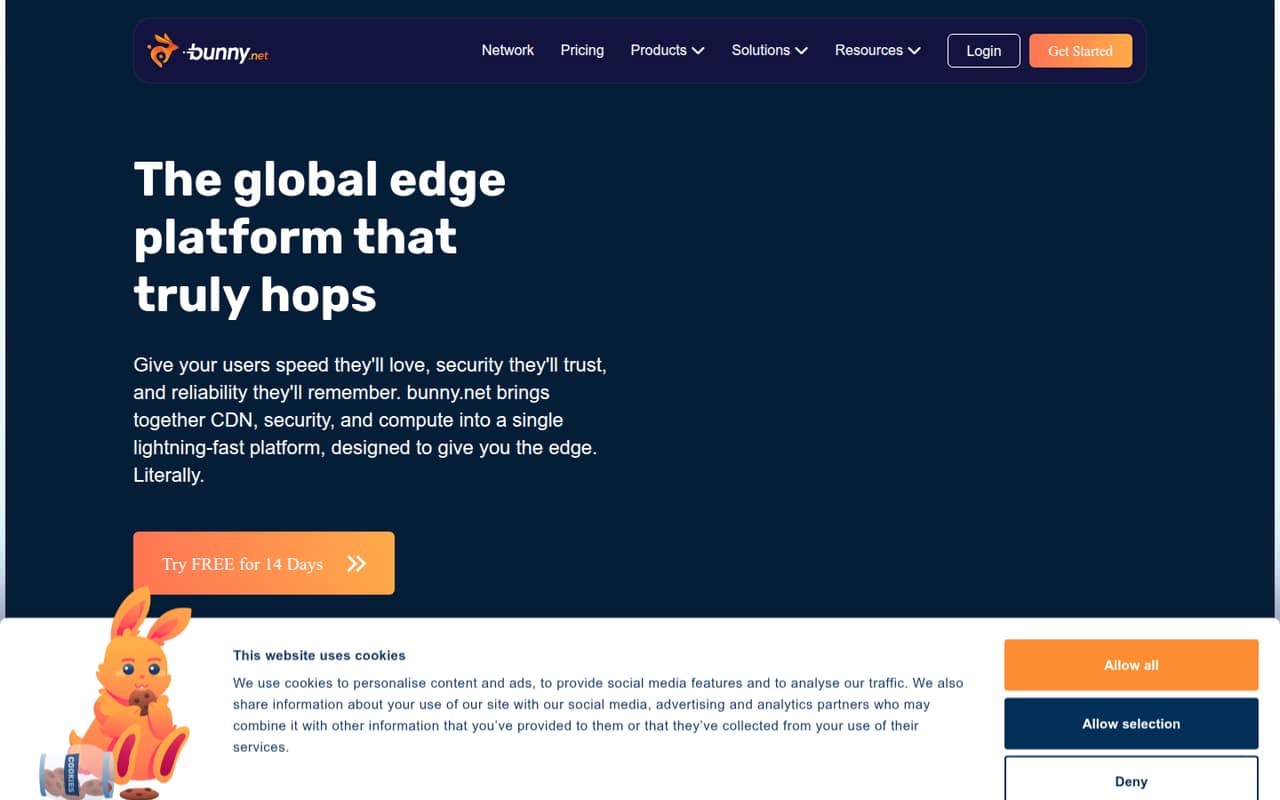
bunny.net is our general-purpose pick for developers because its stated use cases include global static assets and edge deployments, and its listed starting price is $1. It also covers video and CDN use cases. The entry price alone does not establish your delivery bill, so check the pricing model, integration options, and limits against expected traffic before adopting it.
What works
- 119 edge locations listed on the homepage
- Standard CDN rates start at $0.01/GB in Europe and North America
- CDN, storage, video, DNS and compute in one platform
What doesn't
- No permanent free plan listed
- A $1 monthly minimum applies
- API, SDK and language support need verification
- Best for media workflows
 ImageKitImageKit
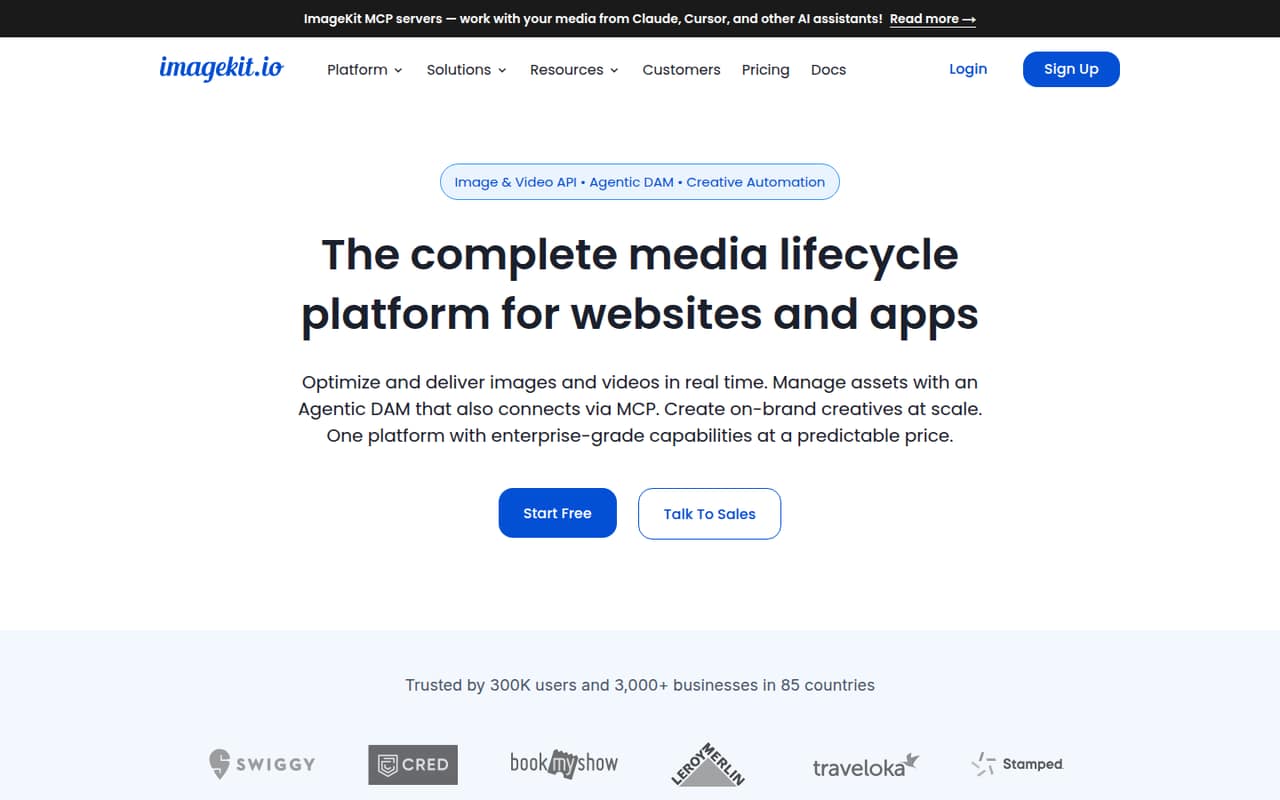
ImageKit combines media delivery and management for teams using URL-based transformations, with a listed free plan and pricing from $9. That makes it a candidate for consolidating media tooling, but a hosted service can create dependency on its transformation and delivery workflow. Check usage quotas, API and SDK coverage, and what happens to media URLs and assets if you move.
What works
- Delivers images in AVIF or WebP based on the viewer’s device
- URL-based image transformations include resizing, cropping and overlays
- Supports HLS and DASH adaptive video streaming
What doesn't
- Production usage can add bandwidth, storage and processing overages
- Rate limits are not published on the homepage
- The service is hosted; self-hosting is not listed
- Best for image transformations
 imgiximgix
imgix suits teams serving many transformed images through URL-based media workflows, and its stated use cases also include image and video optimization. Pricing starts at $20.83, so estimate costs using your transformation and delivery patterns rather than the entry price alone. Confirm how credits and delivery limits apply, and whether your app can preserve a portable origin and URL strategy.
What works
- Transforms media through URL parameters
- Automatic compression, resizing and format conversion
- Supports smart and focal-point cropping
What doesn't
- No continuing free plan
- Bundles cap credits, media and bandwidth
- Overage rates are not published here

- Best for hosted video
 GumletGumlet
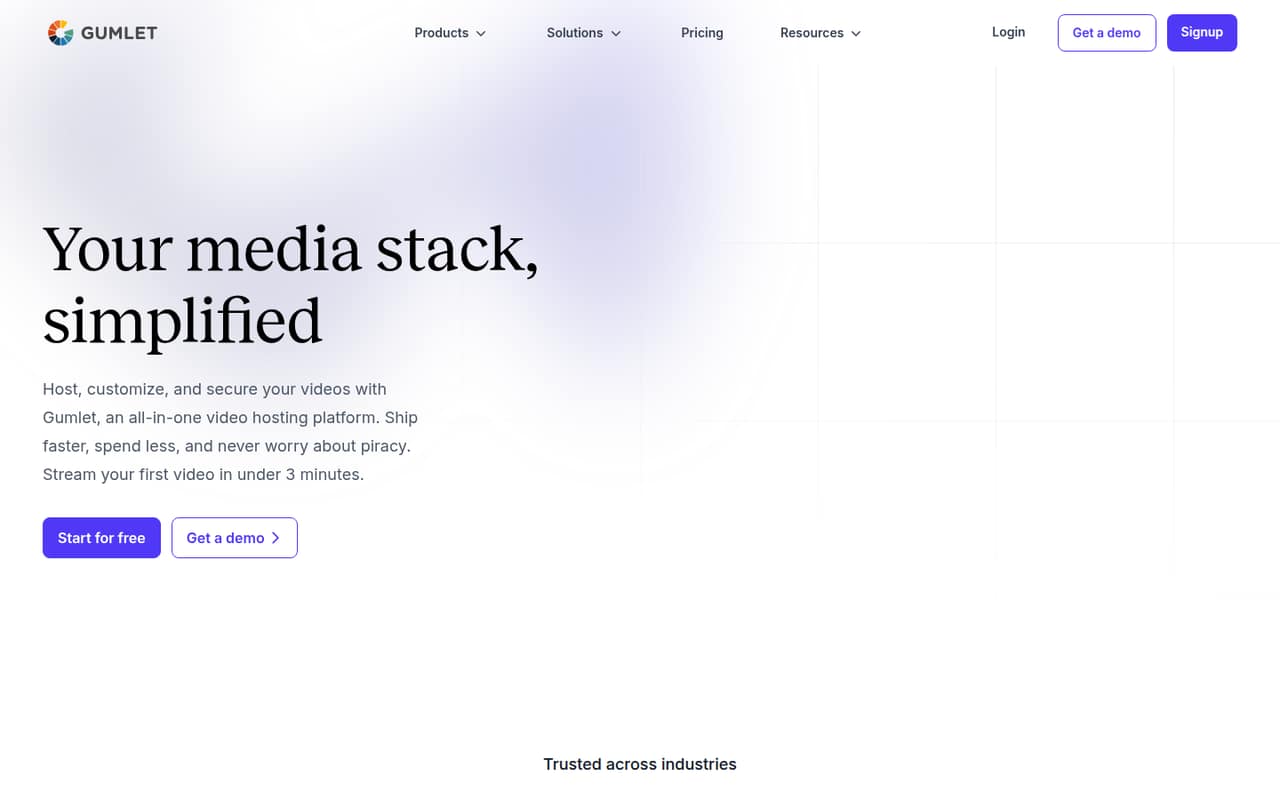
Gumlet targets course creators protecting video, branded video hosting, and apps building video workflows. Its listed pricing starts at $6 and includes a free plan. Before building around it, verify the API details, usage limits, and playback behavior that matter to your application. The entry price does not show what your traffic or storage pattern will cost.
What works
- Combines video hosting, APIs, image optimization and DRM
- Free plan includes 100 GB monthly bandwidth
- DRM, domain blocking and dynamic watermarks
What doesn't
- Homepage does not name SDKs or programming languages
- API rate limits are not published
- Storage overage pricing is not published
- Best for distributed workloads
 AkamaiAkamai
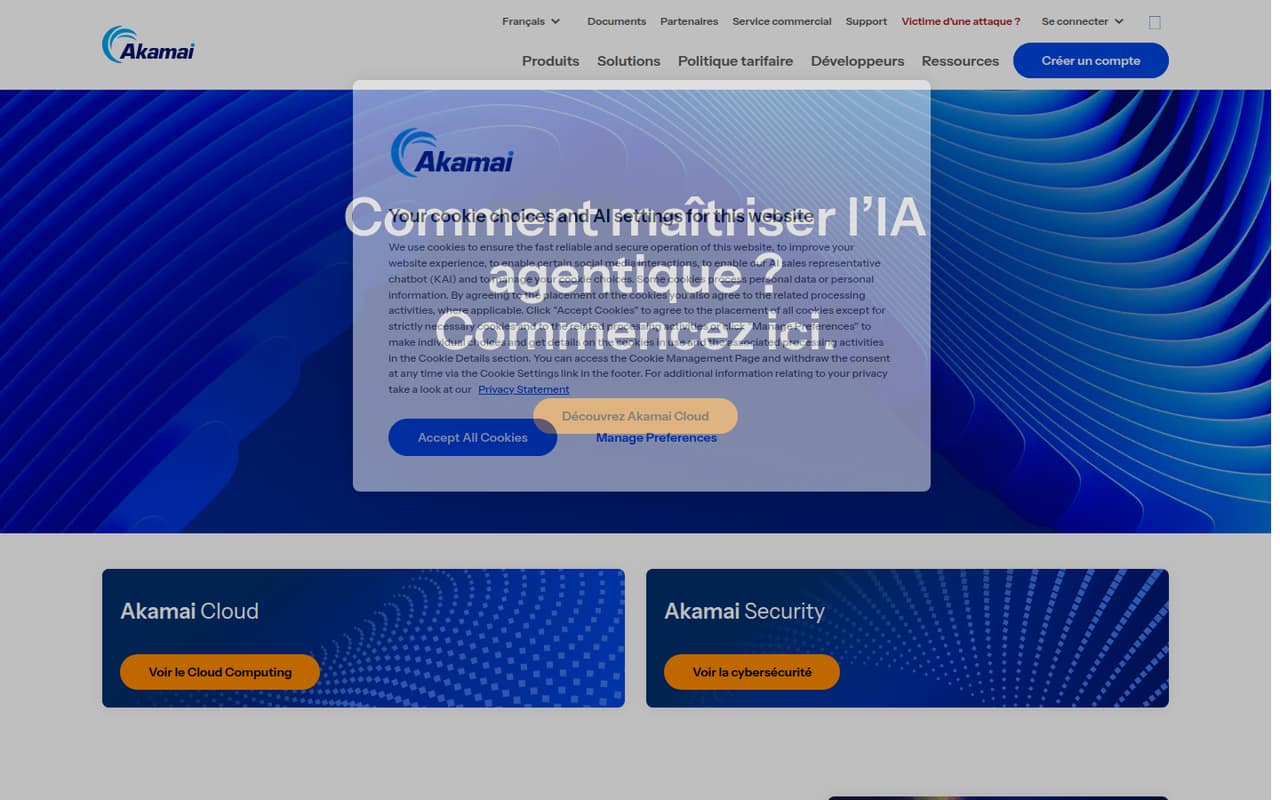
Akamai is positioned as a broad cloud and edge platform for businesses with distributed workloads, delivery and security needs, or AI workloads near customers. That scope may suit teams coordinating several edge requirements. Its listed starting price is not available, and pricing and integration details need confirmation before rollout; request a workload-specific quote and validate the required APIs.
What works
- Combines compute, cybersecurity and content delivery
- Distributed cloud and edge infrastructure
- Akamai Inference targets AI applications
What doesn't
- Homepage names no APIs, SDKs or languages
- Most product prices are not published
- No free plan is listed
03How we chose
We ranked these providers for developer and technical-team fit, not brand reach. Our framework weighs API and SDK coverage, documentation, free tiers, usage-based pricing, licensing and self-hosting, and Reddit sentiment as a signal for operational friction. We also considered stated use cases and starting prices, while treating an entry price as distinct from a production estimate. Before rollout, confirm rate limits, cache controls, purge behavior, data export, and support terms with the vendor. We make no claims of hands-on testing or benchmarks.
04Match the CDN to the workload and integration
Start with what you deliver. Static assets, transformed images, and hosted video put different demands on a CDN, and the providers here describe different focuses: bunny.net includes global static assets and edge deployments; ImageKit and imgix focus on media workflows; Gumlet targets video; Akamai covers broader business edge and cloud needs. Then map the service to your stack. Check whether the API, SDKs, and docs support your languages and deployment model, and verify how cache keys, invalidation, custom domains, and origin changes work. Ask for the exact protocols and rate limits your application depends on; do not infer them from a product category or a starting price. If your architecture needs self-hosting or an open-source license, confirm those requirements explicitly rather than assuming a hosted CDN can meet them.
05Estimate production cost and plan for exit
A listed starting price is a comparison point, not a forecast. Estimate delivery using your expected traffic, geography, request mix, and media transformations, then ask the vendor how each item is billed. Check free-plan quotas, overage rates, credit rules, and rate limits before sending production traffic. This matters for the media-focused options: ImageKit lists usage quotas, and imgix calls for budgeting around credits and delivery limits. Also plan for failure and migration. Find out how quickly purges take effect, what logs and metrics you can export, whether your original assets remain accessible outside the service, and how much of your application depends on provider-specific URLs or APIs. Set alerts and a fallback plan before a traffic spike turns a pricing or cache assumption into an incident.
Questions people ask
What are the top 5 CDN providers?
For developer and technical-team fit, our five picks are bunny.net, ImageKit, imgix, Gumlet, and Akamai. They address different needs: general CDN and edge use, media transformations, hosted video, or broader business edge workloads. The right shortlist depends on what you deliver and how you price traffic.
Who is the largest CDN provider?
“Largest” can mean traffic, network footprint, customers, or revenue, and those measures can produce different answers. Akamai is a broad cloud and edge platform, but we do not have comparable market-share figures to rank these providers by size. Ask vendors for current figures tied to the measure you care about.
What are some popular CDN providers?
bunny.net, ImageKit, imgix, Gumlet, and Akamai are options in this guide. Their stated focuses vary: bunny.net covers static assets and video, ImageKit and imgix emphasize media workflows, Gumlet centers on video, and Akamai targets business edge and cloud workloads.
Which CDN is the best?
There is no single best CDN for every stack. We pick bunny.net as the general-purpose choice for its stated static-asset and edge use cases and $1 starting price. For media transformations, compare ImageKit and imgix; for video, consider Gumlet. Validate costs, limits, and integration details for your workload.