
We may earn a commission if you buy through links on this page. It never changes a score or a ranking. How we make money
The bottom line
Thunes offers wide payment reach through API or Swift, with commercial terms to confirm before building.
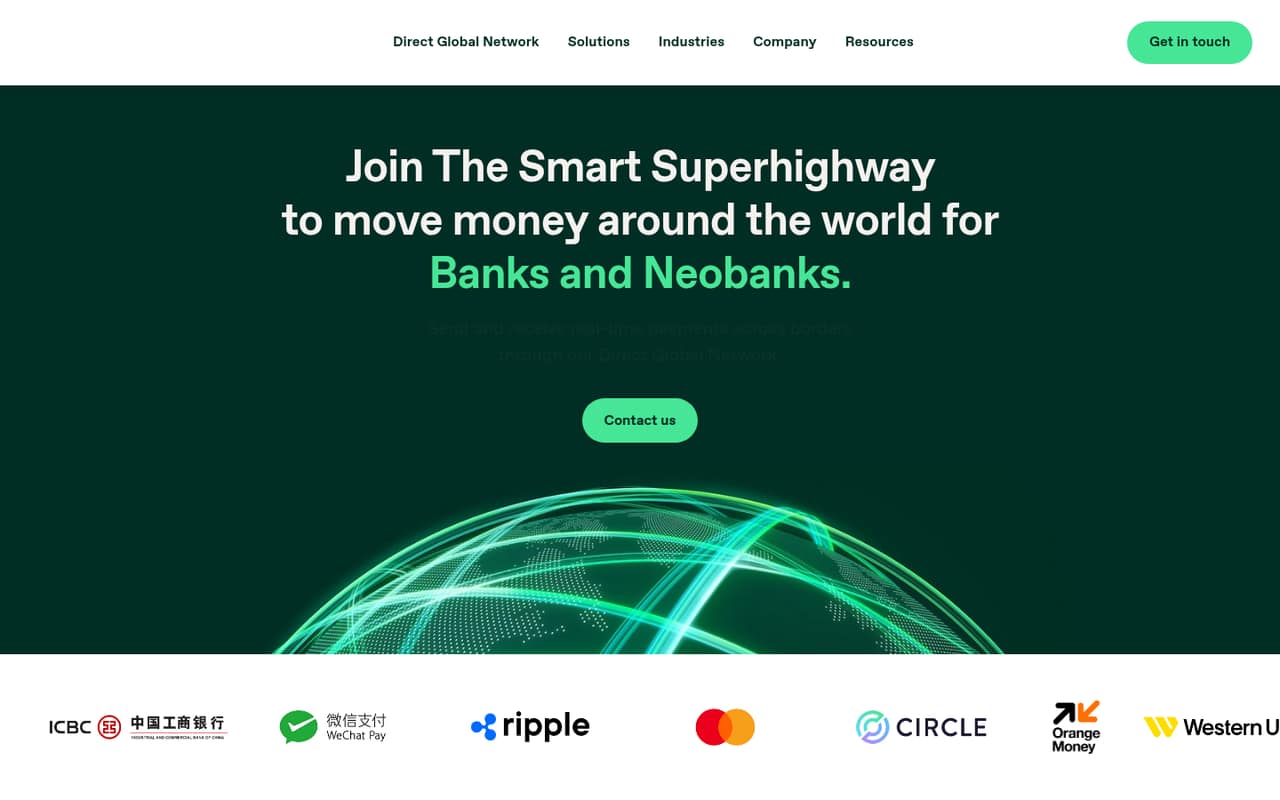
Thunes is a business-to-business cross-border payments network for sending payouts and accepting local payment methods. Its Direct Global Network connects businesses to payment destinations across markets, with treasury and compliance products alongside payment services.
The reach is broad, but pricing is quote-based and the public integration details are high-level. Get a commercial quote and confirm API documentation, SDK support, settlement behavior, and operating limits before committing.
Good fit if
- Businesses paying recipients across markets
- Payment providers needing local methods
- Companies managing cross-border liquidity
Skip it if
- Teams needing a public rate card
- Developers seeking a self-hosted library
- Projects requiring published usage limits
ScoresHow it rates
What works
- Payouts reach 140 countries, per Thunes
- Supports wallets, banks, cards, and stablecoin wallets
- Local acceptance includes vouchers and BNPL
- Treasury product supports liquidity management in 90 currencies
- Thunes says it holds 50 market licenses
What doesn't
- Pricing is quote-based with no public rate card
- Seat and usage limits are not published
- API details and supported SDKs need confirmation
- No public self-hosting option is listed
- Settlement and uptime commitments need contractual review
01What Thunes is, technically
Thunes is a business-to-business cross-border payments network, not a payment SDK or a self-hosted server. Its Direct Global Network connects businesses to payout and local acceptance methods across markets. The homepage names API and Swift as ways to connect, so Thunes sits between a company’s payment or treasury systems and local payment destinations.
Businesses can use it to send funds to mobile wallets, stablecoin wallets, bank accounts, and cards, or accept mobile wallet, bank, voucher, and BNPL payments. Thunes also offers SmartX Treasury for liquidity and FX management, and Fortress Compliance for regulatory controls. The homepage lists reach across 140 countries, 90 currencies, and 220 payment methods. That makes the product relevant to payment service providers, banks, marketplaces, payroll platforms, and other businesses handling international flows. It is not positioned as a consumer money-transfer app.
02Thunes API, SDKs and docs
The integration surfaces named on Thunes’ homepage are API and Swift. It does not identify a specific API style, SDK, programming language, CLI, webhook protocol, or plugin. Teams should confirm SDK availability and supported languages in Thunes’ developer documentation or during sales onboarding rather than assume a particular client library.
Before implementation, ask for the API reference, authentication model, sandbox access, request and response examples, webhook or status-notification options, and guidance for retries and reconciliation. Confirm which payment methods and destinations are available to your business and whether the same integration covers both payouts and local acceptance. Swift is listed as a connection option, but the homepage does not describe its implementation requirements. The practical integration effort will depend on those details and on the corridors and payment methods in scope.
03Thunes pricing for developers
Thunes has no listed free plan or public starting price. The available pricing information describes a custom or enterprise arrangement, with pricing set during commercial onboarding and no public rate card. Monthly and annual billing terms are not published, and the listed starting price is null.
Seat limits and usage limits are also not published. The available information does not give per-transaction prices, volume tiers, overage rates, or add-on charges, so we cannot estimate a production bill from public pricing. Thunes promotes transparency on payment pricing and FX fees, but that does not substitute for a quote covering your business and corridors. Ask for a written schedule that separates network or transaction charges, FX costs, funding and settlement terms, and any minimums or extra fees. Request examples at expected volumes and clarify how pricing changes as payment counts, destinations, or methods expand.
04Thunes: open source, self-hosting and lock-in
Thunes is presented as a commercial payments network accessed through API or Swift, not as an open-source package. The homepage does not list a source license or a self-hosting option; plan for a vendor-operated service rather than code you can deploy in your own environment.
That creates dependency on Thunes for network access, payment routing, and the supported destinations. Your application can keep its own business logic and payment records, but migration would require connecting to another provider and mapping its methods, statuses, and settlement processes. The homepage does not describe data export or migration tooling. Before signing, ask what transaction and reconciliation data you can export, in which formats, and how long it remains available after termination. Also confirm whether your contract permits a parallel integration or phased migration.
05Thunes in production
Thunes lists a network of 140 countries, 90 currencies, 220 payment methods, and 720 members. It also reports that 85% of payments settle immediately; ask what counts as immediate settlement and how the remaining payments behave. The homepage does not give an uptime commitment, rate limits, request quotas, or a service-level agreement, so obtain those details before making the network a critical dependency.
Thunes says it is licensed in 50 markets and compliant with PCI DSS and ISO27001, and describes embedded risk controls. Confirm which licenses and controls apply to your specific flows and markets. In a production review, also pin down destination-specific availability, payment status semantics, failure and retry handling, reconciliation data, FX disclosure, and escalation paths. Test those behaviors in the vendor’s available environment before routing live volume, and agree on operational responsibilities and incident response in the contract.
Questions people ask
What kind of company is Thunes?
Thunes is a business-to-business cross-border payments network. Its Direct Global Network connects companies to payout destinations and local payment acceptance methods. It also offers treasury and compliance products for businesses operating across markets.
What is Thunes used for?
Businesses use Thunes to send cross-border payouts to mobile wallets, stablecoin wallets, bank accounts, and cards, and to accept local payment methods. Its SmartX Treasury product supports liquidity and FX management, while Fortress Compliance provides compliance controls.
Which payment destinations does Thunes support?
Thunes lists payouts to mobile wallets, stablecoin wallets, bank accounts, and cards. For acceptance, it lists mobile wallets, bank payments, digital vouchers, and BNPL payments. Confirm corridor-level availability and supported methods with Thunes before implementation.
How can a business integrate with Thunes?
Thunes names API and Swift as connection options. Its public homepage does not identify particular SDKs, languages, or an API style. Ask Thunes for its developer documentation, integration requirements, sandbox access, and details for payment status updates and reconciliation.
How much does Thunes cost?
Thunes pricing is custom and set during commercial onboarding. There is no public starting price or rate card, and seat and usage limits are not published. Request a written quote covering transaction costs, FX fees, billing terms, and any minimums or additional charges.